25 Protective Hairstyles for Natural Hair

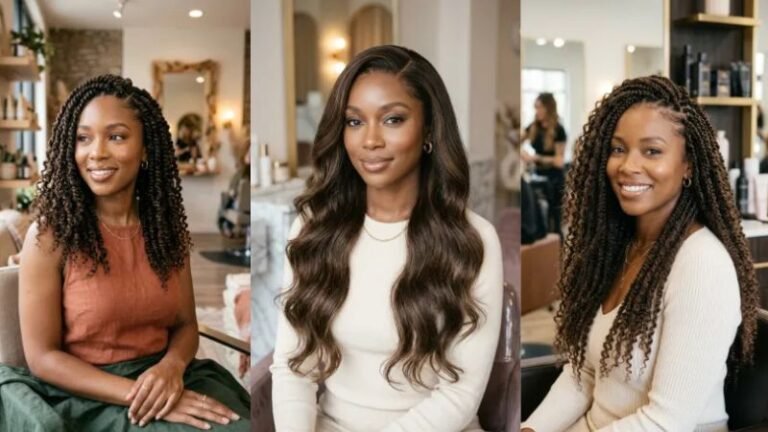
Protective styling is one of the best things you can do for natural hair, but not every style actually lives up to the name. Some options look great in photos yet cause more tension and breakage than they prevent. This list rounds up 25 protective styles that genuinely work, along with tips on keeping your hair and scalp healthy while wearing them.
What Makes a Style Truly Protective
A protective style is meant to tuck away your ends, reduce daily manipulation, and limit exposure to friction, weather, and heat. The key word is protective, which means the style should not pull tightly at the roots or add so much weight that it stresses the hair over time. A good protective style lets you go days or weeks without much daily styling, while your natural hair rests and grows underneath.
How Long Should a Protective Style Last
Most protective styles are meant to stay in for around four to eight weeks, depending on the style and how well the scalp is maintained during that time. Leaving a style in too long can lead to matting, buildup, or tension around the hairline, so it helps to have a rough removal date in mind before you even start.
Braided Protective Styles
1. Box Braids
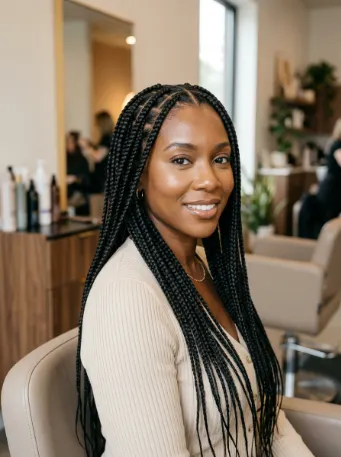
A classic option that comes in nearly any size, box braids protect the ends while giving you plenty of styling flexibility during the weeks they are in.
2. Knotless Braids
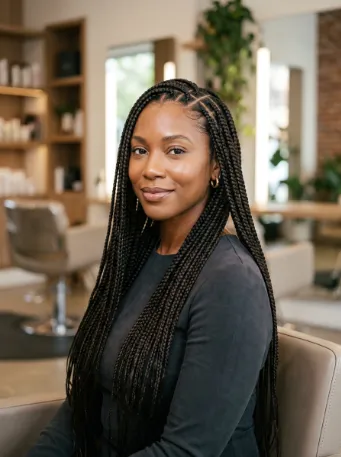
Starting without a knot at the root, this technique reduces tension at the scalp and tends to feel lighter than traditional box braids.
3. Cornrows
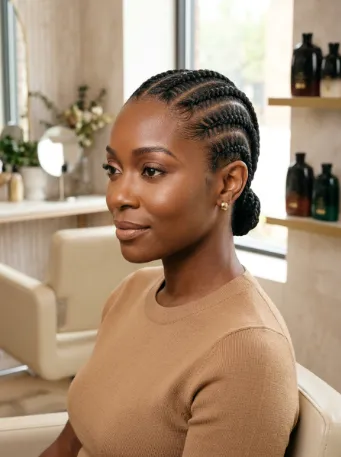
Braided close to the scalp, cornrows are one of the lowest maintenance protective options and can be styled in countless patterns.
4. Feed In Braids
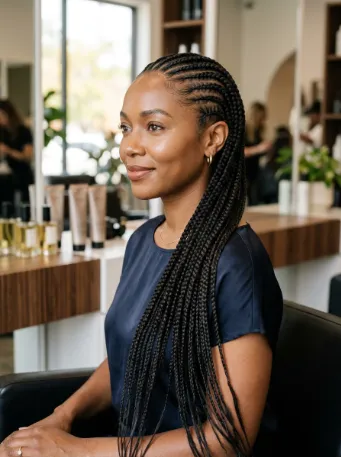
Extensions are gradually added into the braid as it is created, giving a natural looking root and reducing bulk near the hairline.
5. Lemonade Braids
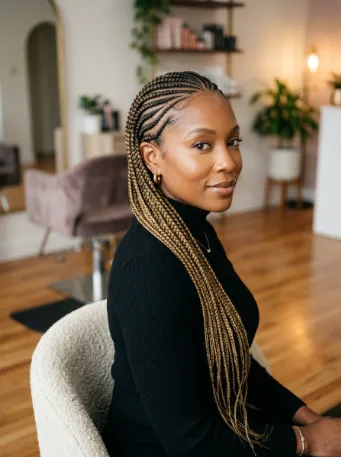
Cornrows styled to one side create a bold, asymmetrical look while still offering the same protective benefits as straight back rows.
6. Tribal Braids
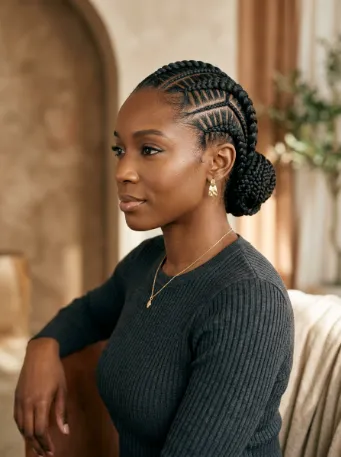
Thicker, more decorative cornrow patterns add a distinct style element while still keeping hair neatly protected underneath.
Twisted Protective Styles
7. Senegalese Twists
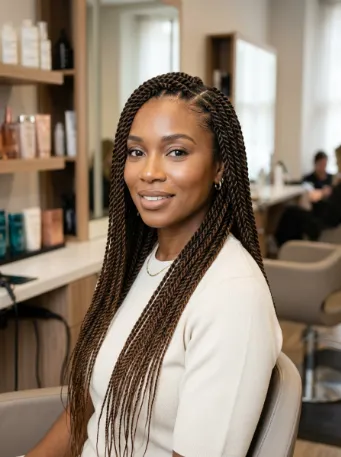
Smooth, rope like twists give a sleek finish and hold up well for several weeks with proper care.
8. Passion Twists

Slightly softer and more textured than Senegalese twists, passion twists still offer strong protective benefits with a bohemian look.
9. Marley Twists
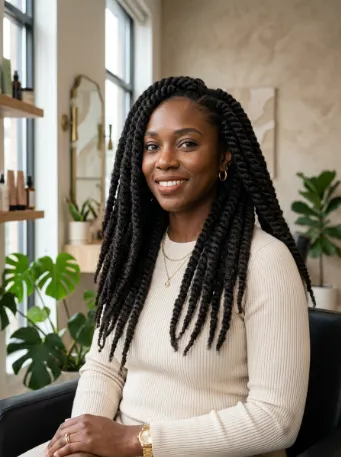
Using a coarser textured hair, Marley twists have a fuller, more natural look compared to sleeker twist styles.
10. Two Strand Twists
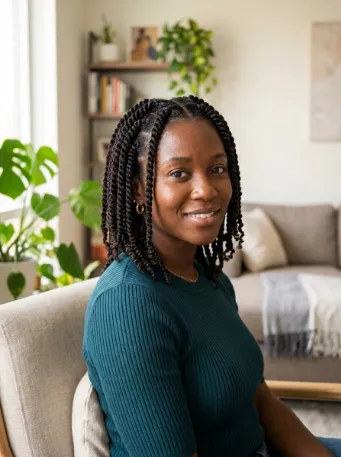
Using your own natural hair without added extensions, two strand twists are one of the gentlest protective options available.
11. Flat Twists
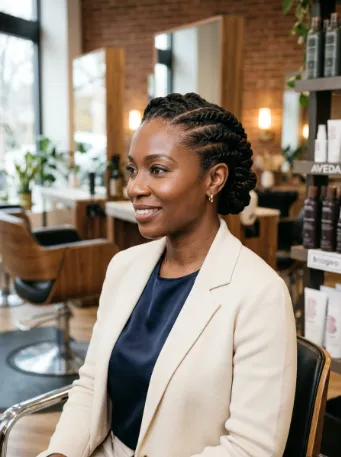
Twisted close to the scalp rather than hanging loose, flat twists work well as a base for updos or as a standalone style.
Crochet and Faux Styles
12. Crochet Braids
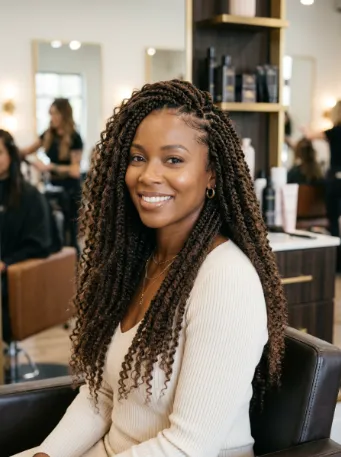
Extensions are looped through cornrows using a crochet hook, allowing for quick installation and a wide range of texture options.
13. Faux Locs

Styled to mimic the look of natural locs, faux locs give you the aesthetic without the long term commitment of starting real locs.
14. Butterfly Locs
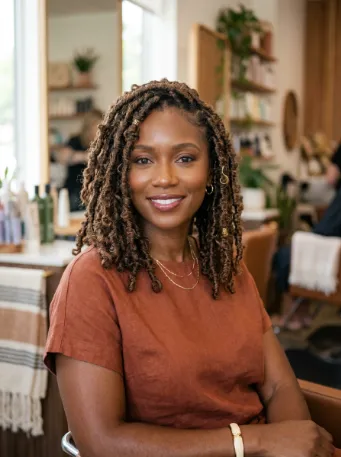
A more distressed, textured version of faux locs, butterfly locs have a softer, more natural looking finish.
15. Goddess Locs
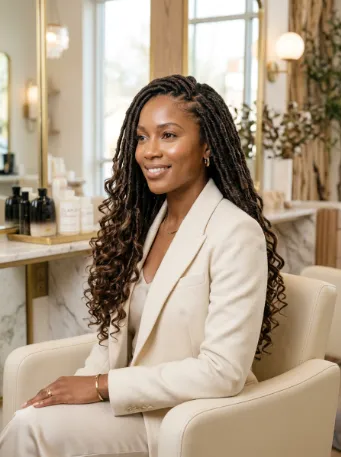
Curlier at the ends than standard faux locs, goddess locs offer a fuller, more romantic take on the loc style.
Low Manipulation Natural Styles
16. Bantu Knots
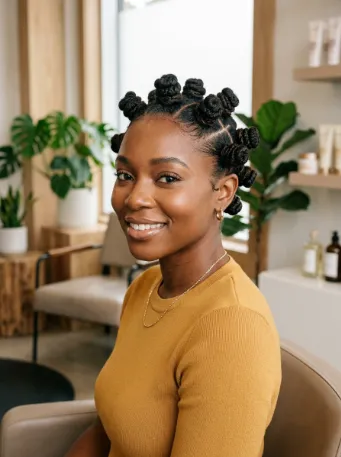
Small coiled knots protect the ends while doubling as a heatless way to create curls once unraveled.
17. Flat Twist Updo
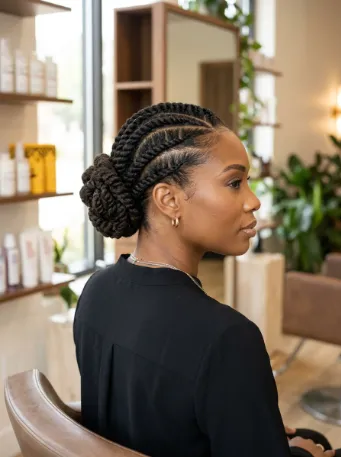
Twists leading back into a bun or puff keep hair neat and off the face while limiting daily manipulation.
18. Natural Hair Puff

A single puff at the crown or back of the head requires very little daily styling and keeps ends tucked and protected.
19. Braid Out
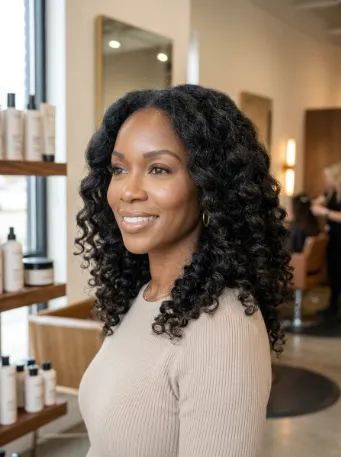
Braiding damp hair and letting it dry before unraveling creates soft waves while limiting how much the hair is touched during the process.
20. Twist Out
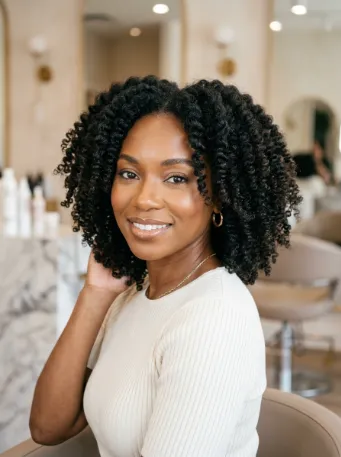
Similar to a braid out, this method uses twists instead of braids to create defined curls with minimal daily manipulation.
Wig and Extension Based Protection
21. Wigs on Cornrow Base
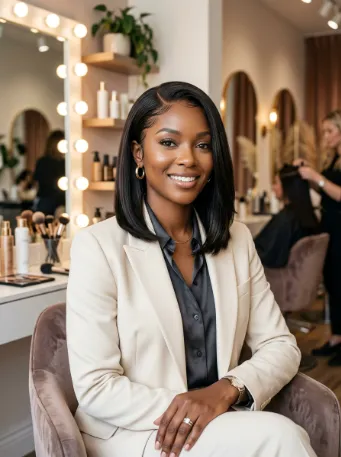
Wearing a wig over neatly cornrowed hair protects your natural hair completely while still allowing daily style changes.
22. Sew In Weave
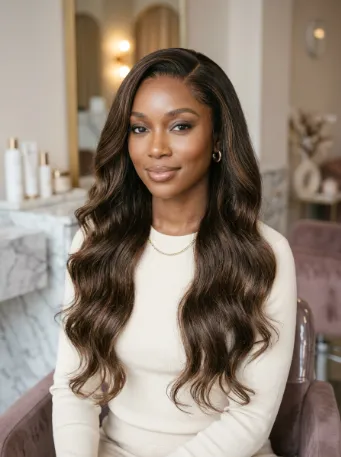
Hair is sewn onto braided tracks, fully protecting the natural hair underneath for several weeks at a time.
23. Clip In Extensions Over Protective Styles
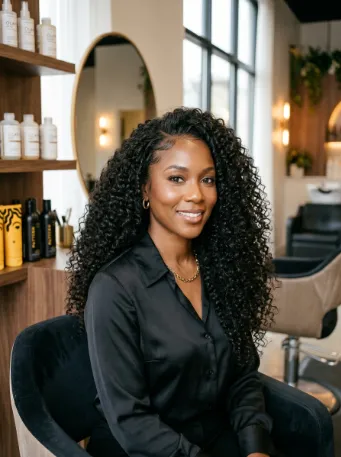
Clip ins added over braids or twists offer extra length and volume without disturbing the protective style underneath.
Updo Style Protective Options
24. Braided Updo
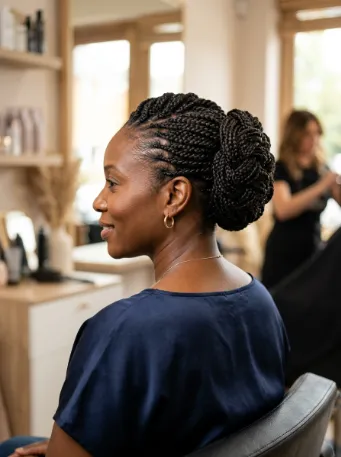
Braids gathered and pinned up keep length fully protected while creating a polished, finished look.
25. Twisted Bun

Two strand twists coiled into a bun combine two protective techniques into one neat, low manipulation style.
Caring for Your Hair and Scalp During a Protective Style
A protective style only works well if the scalp underneath stays healthy throughout. A lightweight oil applied directly to the scalp every few days helps prevent dryness and itching. A satin or silk scarf worn at night protects the style from friction and helps it last longer between touch ups. Light misting with a water and leave in conditioner mix keeps both the style and your natural hair hydrated without causing frizz or unraveling.
Signs It Is Time to Take Down Your Style
Excessive itching, visible buildup near the roots, or matting at the base of the braids or twists are all signs that a style has been in too long. Thinning or unusual shedding around the hairline can also signal that a style is being worn too tightly or for too long. When in doubt, taking a style down a little early is almost always better for your hair than pushing past its healthy limit.
Frequently Asked Questions
How often should protective styles be changed? Most styles should be taken down and hair given a rest period after four to eight weeks, depending on the specific style and how the scalp is holding up.
Do protective styles actually help hair grow faster? They do not speed up growth directly, but by reducing daily manipulation and breakage, they help retain more length over time.
Can protective styles cause hair loss? If installed too tightly or worn too long, yes. Choosing a stylist who does not pull excessively at the root helps prevent this.
Is it okay to wash hair while in a protective style? Yes, using a diluted shampoo applied directly to the scalp with an applicator bottle is a common and effective way to keep the scalp clean.
Final Thoughts
Protective styling works best when the style itself is actually gentle on your hair, not just low maintenance in appearance. From braids and twists to wigs and updos, there is an option on this list to fit nearly every lifestyle and hair goal. Pick a style that matches your comfort level, care for your scalp along the way, and you will likely see healthier, longer hair as a result.