20 Asymmetrical Lob Hairstyles to Try in 2026

20 Asymmetrical Lob Hairstyles to Try in 2026
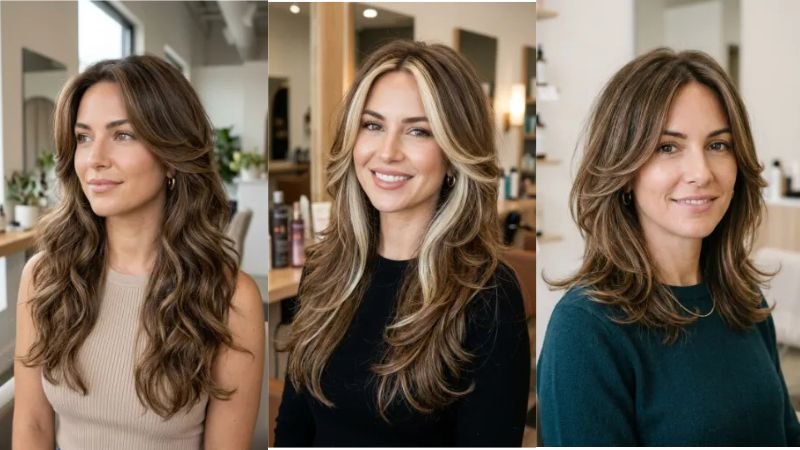
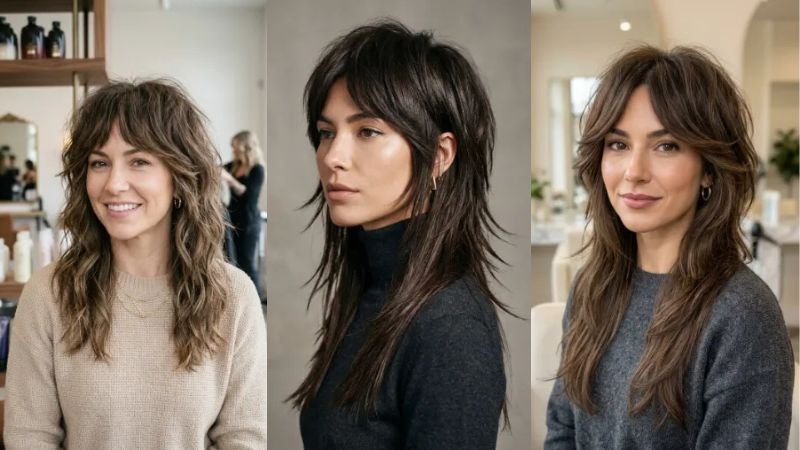
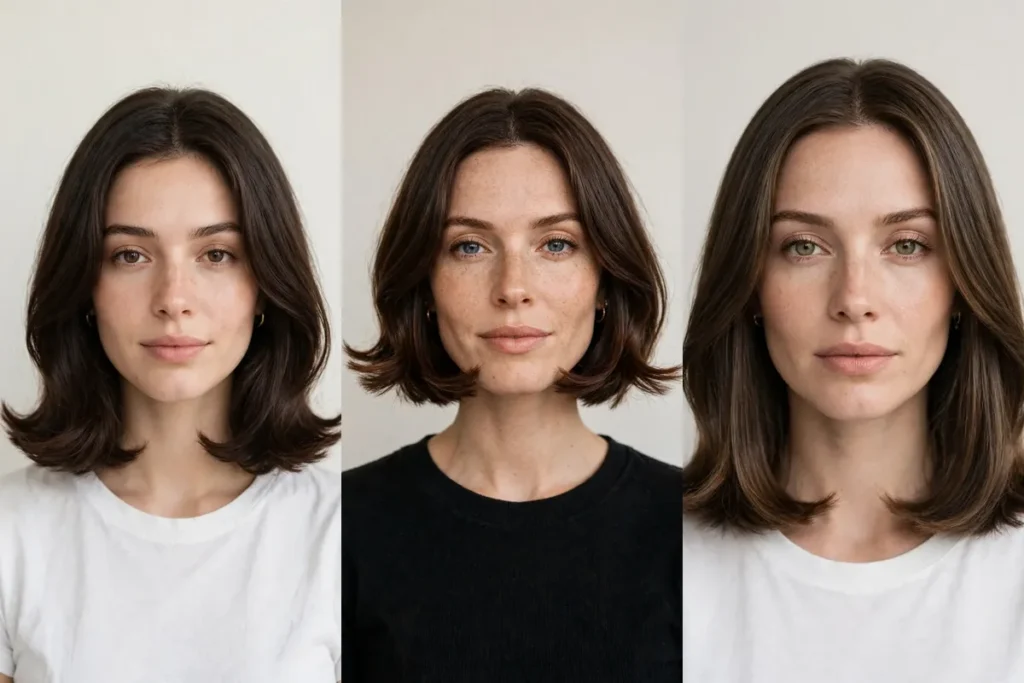
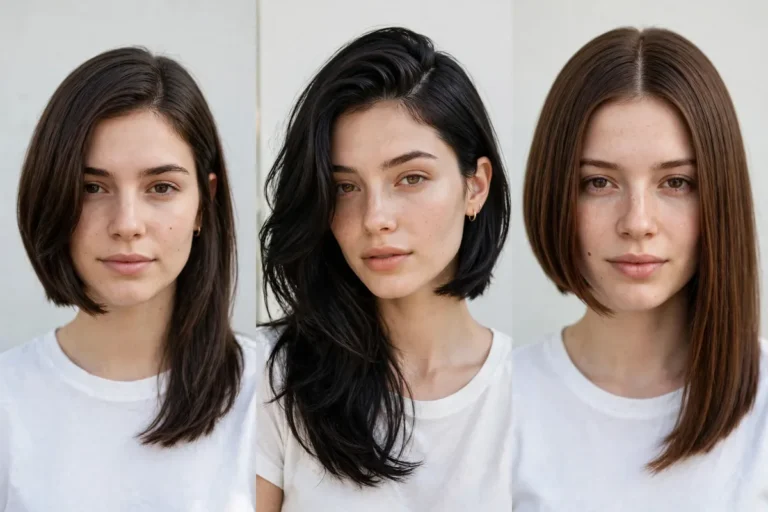
An asymmetrical lob is the haircut for anyone who wants a bob with a point of view. It is a long bob — a lob — cut longer on one side than the other, so the silhouette swings gently across the face instead of sitting level. The difference can be subtle, just an inch or two, or dramatic, with one side grazing the collarbone and the other sitting at the chin. Either way, it is a cut that looks deliberate from every angle: sleek and sharp when it is straight, soft and piecey when it is wavy, and endlessly flattering because the longer side draws the eye down and slims the face. These 20 asymmetrical lob hairstyles for 2026 cover every hair type and every mood, from polished and professional to undone and edgy. Pick your side, pick your length, and let the asymmetry do the talking.
Classic Asymmetrical Lob

The classic asymmetrical lob is where the cut starts: one side sits at the chin, the other falls to the collarbone, and the line between them is clean and deliberate. The longer side sweeps across the front of the shoulder, which gives the whole cut a sense of movement even when the hair is completely still. Keep the ends blunt and the styling simple — a smooth blow-dry with the ends tucked slightly under — so the asymmetry is the star of the show. It works on straight and slightly wavy hair, suits oval and round face shapes beautifully, and grows out gracefully because the longer side hides the unevenness of regrowth. Ask your stylist to cut it dry if you can, so the true length difference is visible as they work.
Asymmetrical Lob with a Deep Side Part
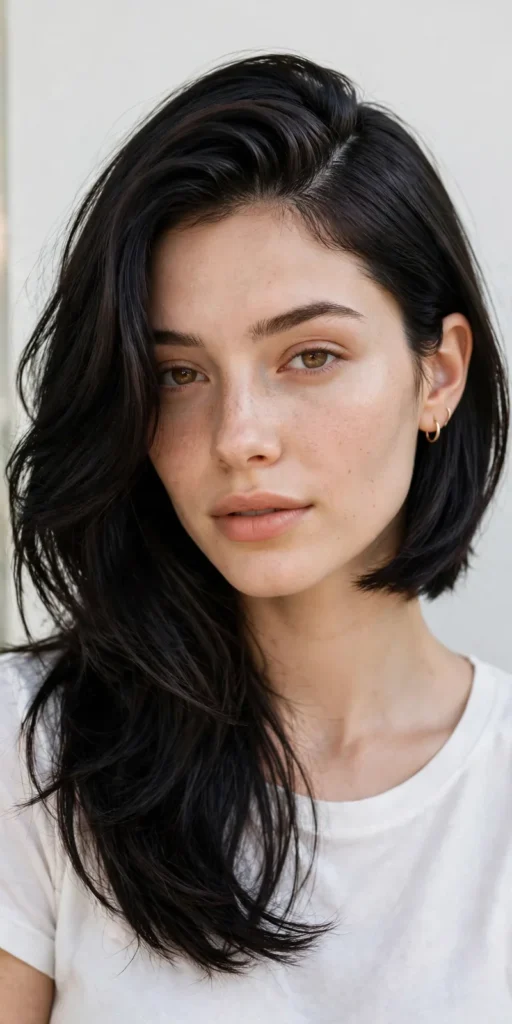
A deep side part is the natural partner for an asymmetrical lob, because the parting and the cut both push the hair in the same direction. Sweep the hair over from a part set far to one side, so the longer side of the cut falls from the heavy side of the part and the shorter side tucks neatly behind the ear. The result is a glamorous, sweeping line across the face that feels old-Hollywood in the best way. Style it with a round brush for volume at the roots and a slight bend at the ends, and keep the shorter side smooth so the contrast between the two sides reads clearly. This is the version to choose for evenings out, weddings and anyone who loves a dramatic side sweep.
Asymmetrical Lob with a Middle Part
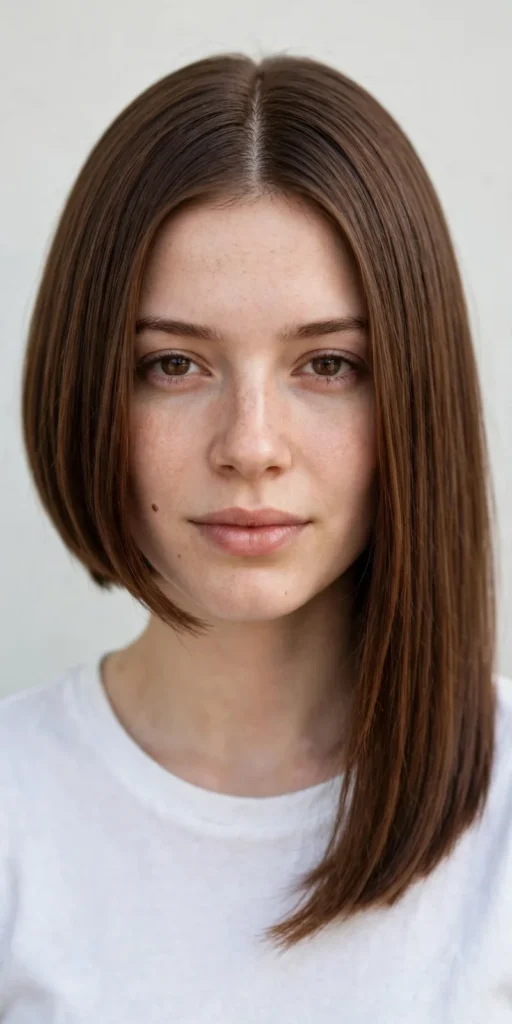
A middle part on an asymmetrical lob sounds contradictory, but it works beautifully because the parting is symmetrical while the lengths are not. The hair falls evenly from the centre, and then the eye catches the difference: one side ends at the chin, the other keeps going to the collarbone. It is the most modern way to wear the cut, and it suits people who want the asymmetry to feel like a design detail rather than a styling trick. Keep the hair smooth and straight so the two lengths are easy to read, and add a shine spray so the line of the cut catches the light. This version flatters square and heart-shaped faces, because the longer side softens a strong jawline.
Sleek Straight Asymmetrical Lob

A sleek straight asymmetrical lob is the sharpest version of the cut, and the one that shows off the line best. The hair is flat-ironed smooth from root to tip, so the difference in length between the two sides is crisp and unmistakable — a clean diagonal from chin to collarbone. The key is a good flat iron and a heat protectant, plus a shine serum on the ends so the hair looks glossy rather than flat. This is the version for work, for formal occasions and for anyone who likes their hair to look precise. It needs straight or easily straightened hair, and it shows split ends, so keep the ends trimmed every six to eight weeks to hold the sharp line.
Wavy Asymmetrical Lob
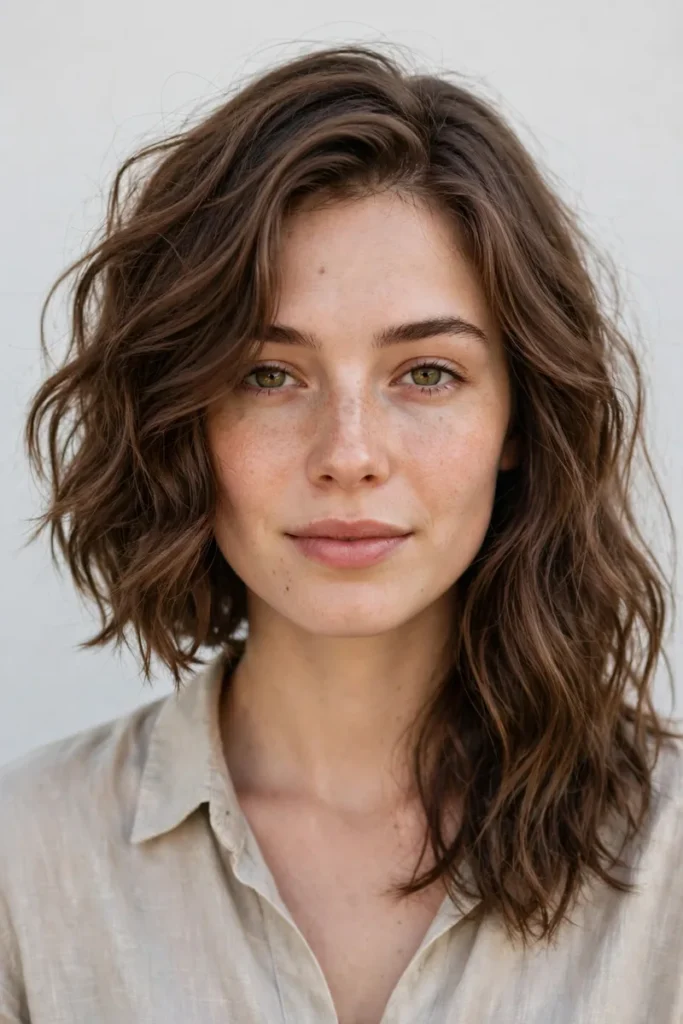
A wavy asymmetrical lob softens the cut completely, turning the sharp diagonal into a gentle, tousled sweep. The waves should be loose and brushed out, made with a large-barrel wand or a flat iron bent as you pass it down the hair, so the texture is touchable rather than curly. The longer side carries the most wave, which gives the style a beautiful swinging movement when you turn your head. This is the most forgiving version of the cut: waves hide uneven ends, suit second-day hair, and flatter every face shape. Add a sea salt spray at the roots for grip and a light texturising spray through the lengths, and let the waves do the work.
Asymmetrical Lob with Soft Curls
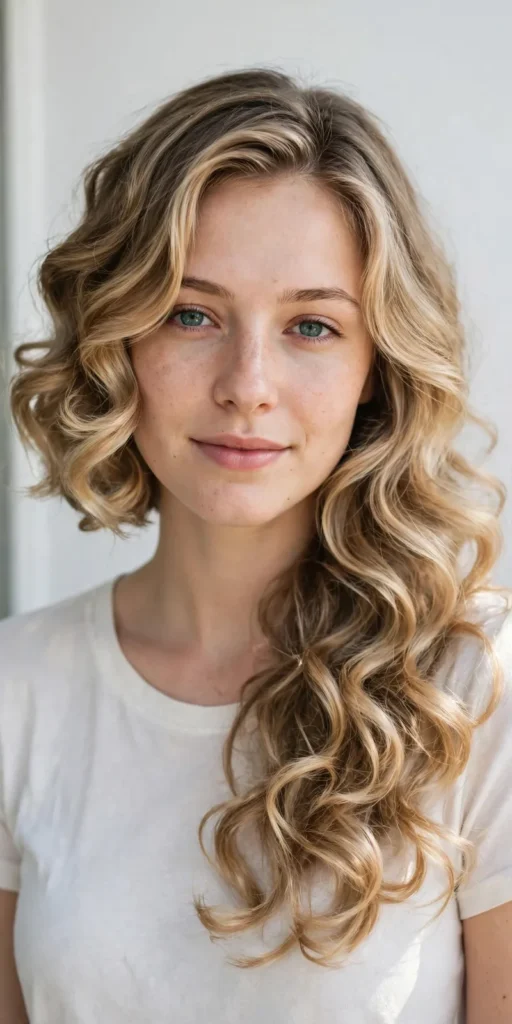
Soft curls on an asymmetrical lob give the cut a romantic, bouncy feel while keeping the length difference visible. Curl the hair in large sections with a curling iron, then brush the curls out into soft waves so they fall in a loose, flowing shape rather than tight ringlets. The longer side shows off the curls best, falling over the shoulder in a soft cascade, while the shorter side stays light and lifted around the chin. This version suits fine hair especially well, because the curls add volume that the cut alone cannot. Finish with a flexible-hold hairspray so the curls stay soft and move naturally all day.
Textured Asymmetrical Lob
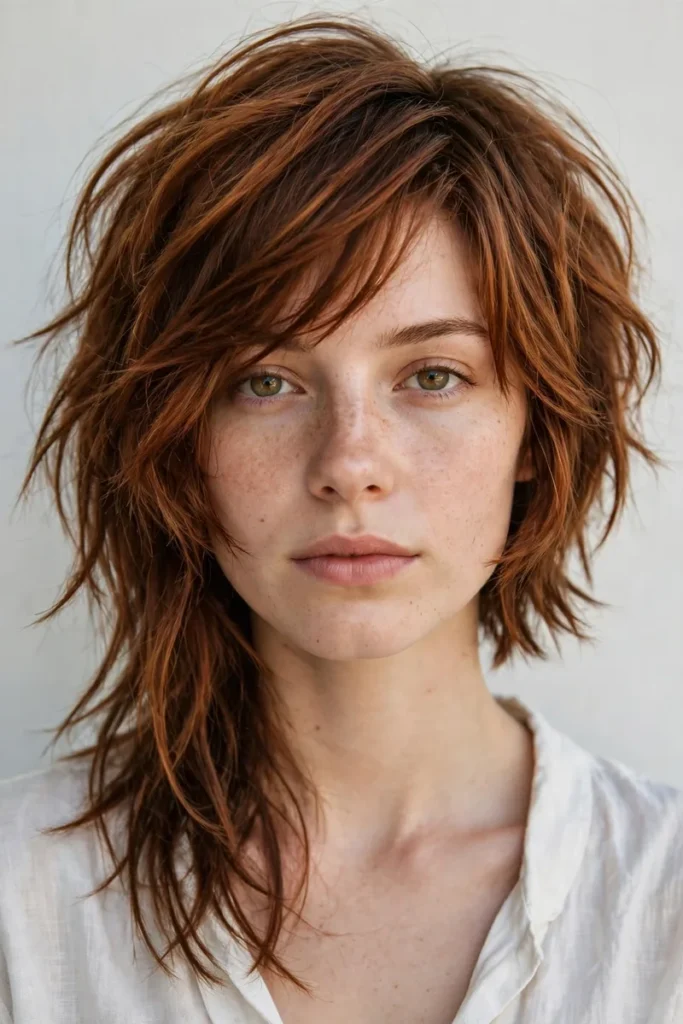
A textured asymmetrical lob is the lived-in, undone version of the cut, with choppy ends and piecey layers that make the asymmetry feel effortless. The stylist cuts point-cut ends and a few interior layers into the lob, so the hair has movement and separation instead of a solid line. Style it by rough-drying with your fingers, scrunching in a texturising cream, and letting it fall where it wants to. This is the best choice for thick hair, because the texture removes bulk and weight, and for anyone who does not want to spend more than five minutes on their hair. The messier it looks, the better it works — just keep the longer side visibly longer so the cut still reads as asymmetrical.
Asymmetrical Lob with Curtain Bangs
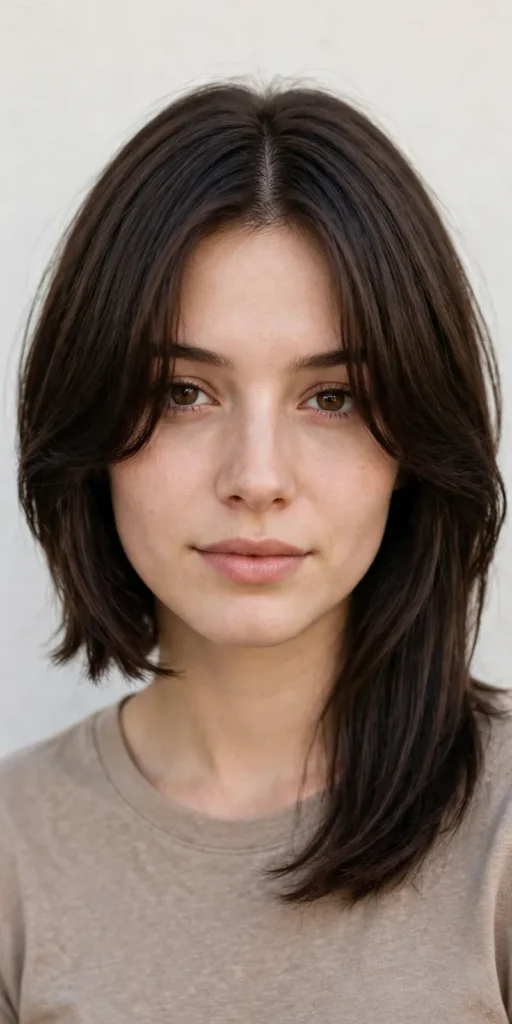
Curtain bangs on an asymmetrical lob frame the face from the top while the cut frames it from the sides, which makes this the most face-flattering version on the list. The bangs should be long and parted in the middle, sweeping open like curtains to meet the longer side of the lob at the cheekbone. Blow-dry the bangs with a round brush, curving them away from the face so they blend into the lengths instead of sitting apart. This version suits round and square faces beautifully, because the bangs break up the width of the forehead while the longer side slims the jaw. Keep the bangs trimmed every three to four weeks so they stay at the right length to frame the face.
Asymmetrical Lob with Face-Framing Layers

Face-framing layers are the softest way to wear an asymmetrical lob, because the layers start at the cheekbones and melt into the longer side of the cut. The shortest layer sits just below the cheekbone, and each layer below it gets longer, so the hair moves in a cascade that follows the shape of the face. This version is perfect for anyone growing out a shorter cut, because the layers disguise the grow-out, and for thick hair, because the layers remove weight without losing length. Style it with a round brush, turning the ends under slightly, so the layers fall in a smooth, face-framing line. It is the most versatile version here — it works straight, wavy or curled.
Asymmetrical Lob on Curly Hair
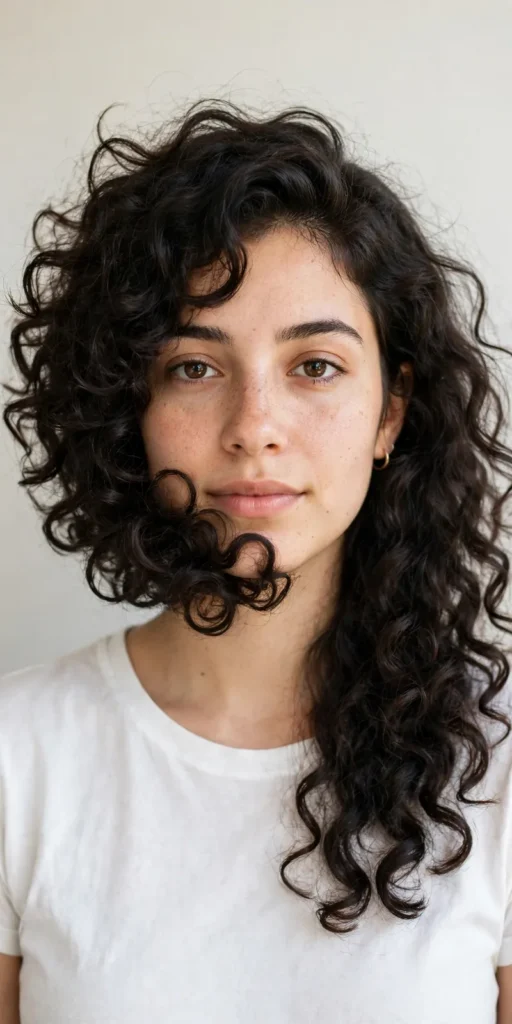
An asymmetrical lob on curly hair is bold, beautiful and full of volume, because the curls make the length difference even more dramatic. The key is to cut it dry, curl by curl, so the stylist can see exactly where each curl falls — cutting curly hair wet is the fastest way to lose the asymmetry, because curls shrink as they dry. The longer side should fall to the collarbone when dry, with the curls springing up into a full, rounded shape. Use a curl cream and diffuse the hair upside down for maximum volume, and never brush it out dry. This version needs a stylist who understands curly hair, but the result is a cut with more personality than any straight version can offer.
Asymmetrical Lob with Balayage Highlights
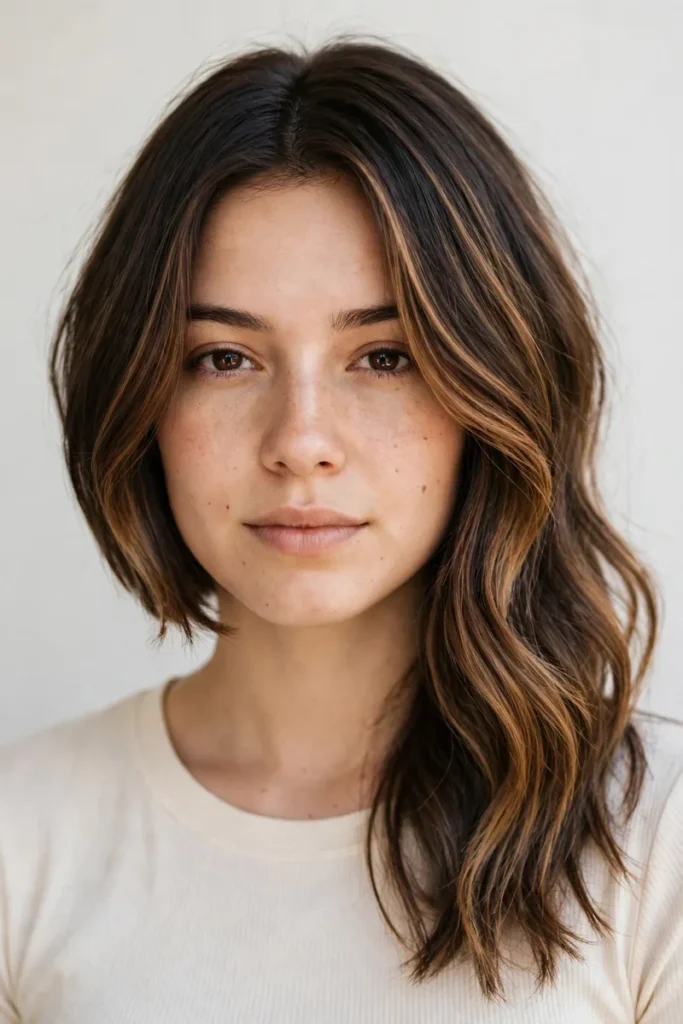
Balayage highlights on an asymmetrical lob are the perfect match, because the hand-painted colour follows the length of the cut. The lighter pieces should be concentrated on the longer side, where they catch the light as the hair swings, with softer pieces through the shorter side so the whole head stays balanced. A caramel or honey balayage on dark hair is the classic choice, while a blonde balayage on light brown hair gives a sun-kissed finish. The colour makes the asymmetry even more visible, because the eye follows the lighter strands down the longer side. Use a purple shampoo once a week if the balayage is blonde, and a colour-protecting conditioner to keep the tones fresh between appointments.
Asymmetrical Lob with a Blunt Edge
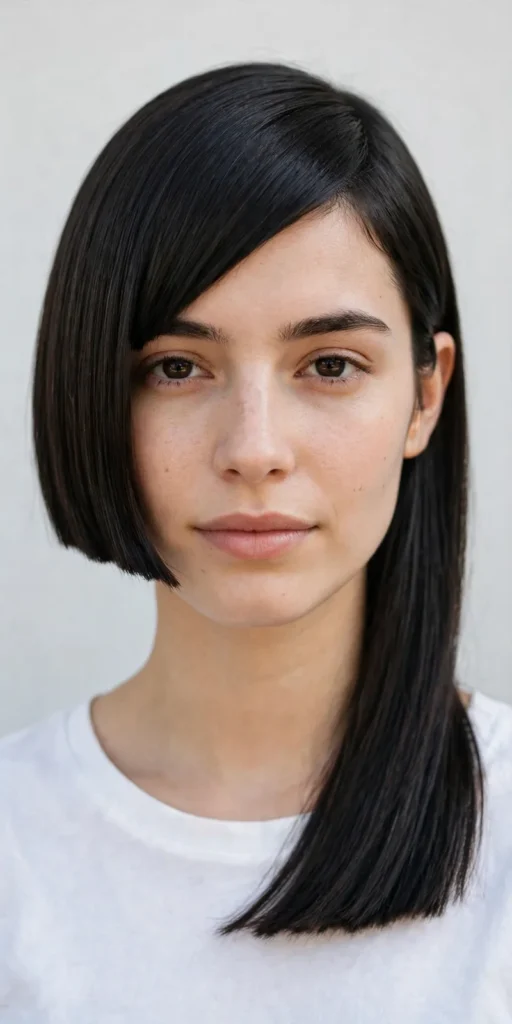
A blunt-edged asymmetrical lob is the most graphic version of the cut: the ends are cut straight across with no layers at all, so the diagonal line from chin to collarbone is razor sharp. The bluntness gives the hair a thick, healthy look even on fine hair, because nothing is thinned out at the ends. Style it smooth and straight so the line is unmistakable, and keep the parting neat — a middle part shows the blunt edge best. This version suits fine and medium hair, and it is the easiest to maintain between cuts, because the blunt line hides uneven growth. The trade-off is that it shows every split end, so a trim every six weeks is not optional.
Asymmetrical Lob for Fine Hair
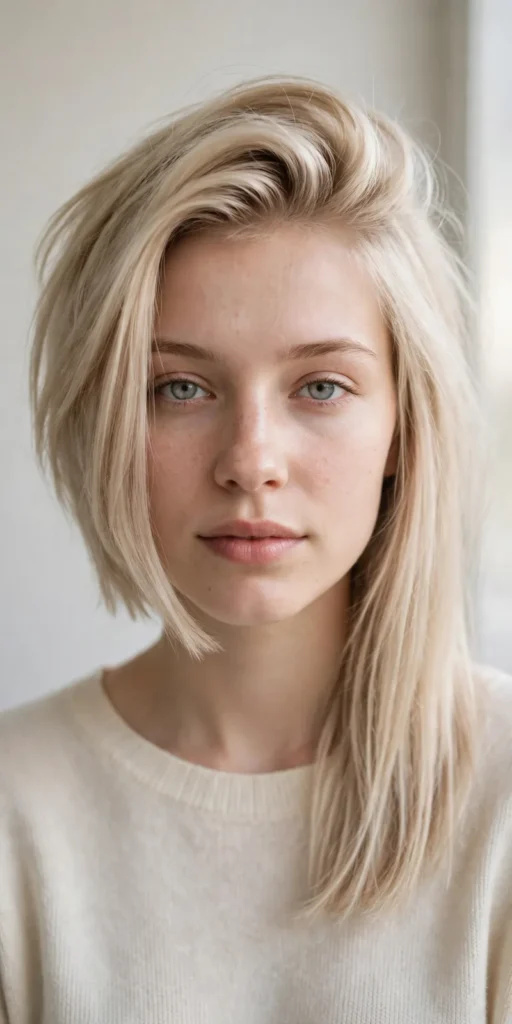
An asymmetrical lob is one of the best cuts for fine hair, because the shorter side removes weight that would otherwise drag the hair flat, while the longer side keeps the length you want. The trick is to keep the ends blunt and avoid too many layers, which only make fine hair look thinner. A deep side part adds instant volume at the roots, and a round brush blow-dry with the hair flipped over to the opposite side gives lift that lasts all day. Use a volumising mousse at the roots and a light texturising spray through the lengths, and avoid heavy oils or creams that weigh fine hair down. This is the version that makes fine hair look thicker than it is.
Asymmetrical Lob for Thick Hair
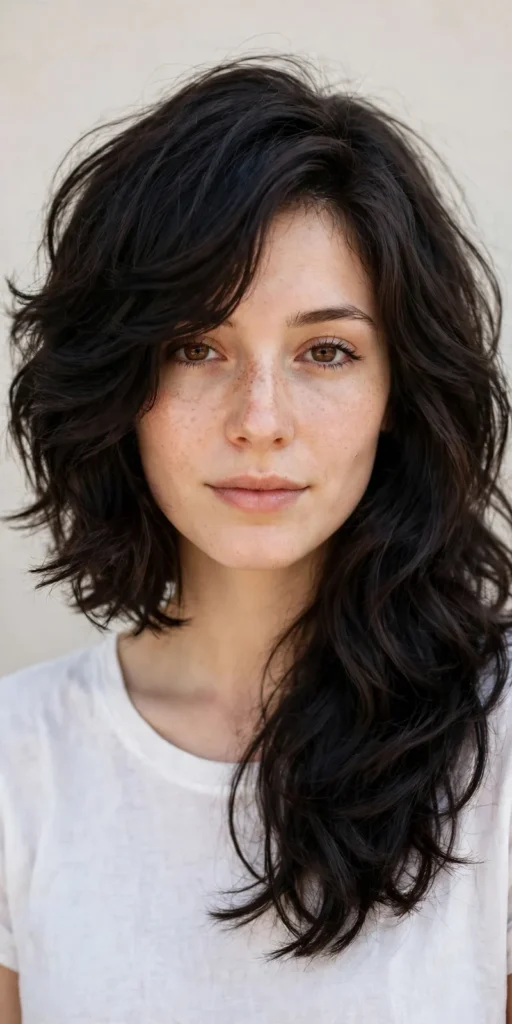
Thick hair and an asymmetrical lob are a natural pair, because the cut removes bulk exactly where thick hair needs it most. The shorter side takes the weight out from around the neck, while the longer side keeps the drama. Ask your stylist for interior layers or subtle thinning through the underneath sections, so the hair sits flat at the roots instead of puffing out into a triangle. A wavy or textured finish suits thick hair best, because the movement stops the cut from looking like a solid block. Blow-dry with a paddle brush for smoothness, and use a smoothing cream on the ends to keep frizz under control. This version turns thick hair from a problem into the main feature.
Asymmetrical Lob with a Half-Up Twist

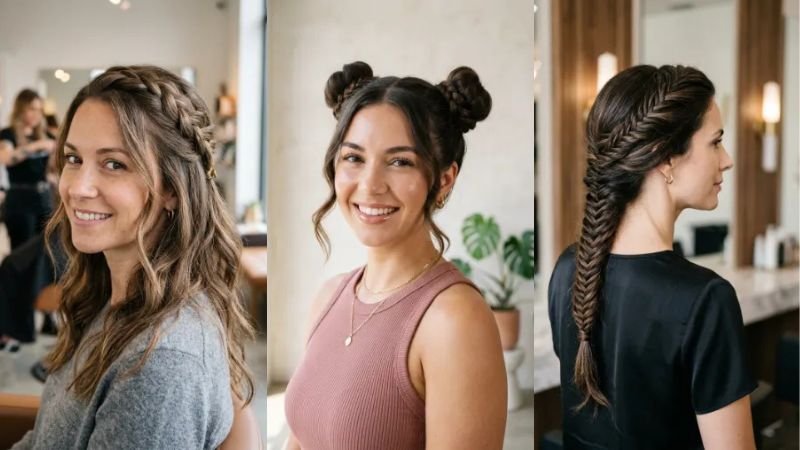
A half-up twist is the prettiest way to style an asymmetrical lob for a special occasion, because it shows off the cut while keeping the hair out of your face. Gather the top section from the shorter side, twist it once for lift at the crown, and pin it across to the longer side so the twist runs against the direction of the asymmetry. The loose hair underneath falls in the familiar diagonal line, and the twist adds a touch of elegance without hiding the cut. Leave a few face-framing pieces out at the front for softness, and secure the twist with bobby pins crossed in an X so it holds all evening. This is the version for weddings, parties and anyone who wants the lob to look dressed up.
Asymmetrical Lob with Beach Waves
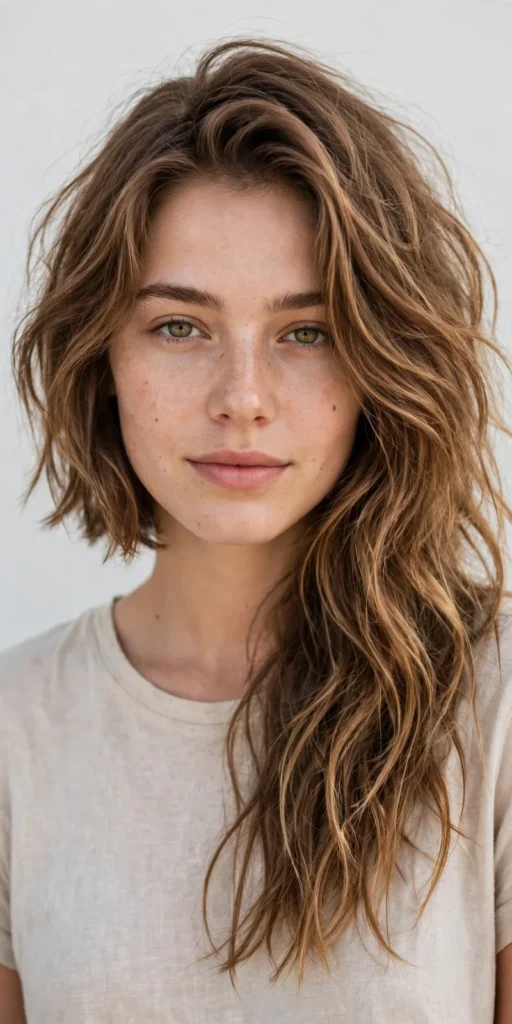
Beach waves on an asymmetrical lob give the cut a relaxed, sun-kissed feel that works all year round. The waves should be loose and uneven, made with a flat iron or a wand and then tousled with your fingers, so the hair looks like it dried in sea air rather than in front of a mirror. The longer side carries the waves beautifully, swinging over the shoulder, while the shorter side stays light and piecey around the chin. A sea salt spray is essential for this version — spray it into damp hair, scrunch, and let it air-dry for the most natural result. This is the best choice for anyone who wants the lob to feel casual and low-maintenance.
Asymmetrical Lob with a Low Bun
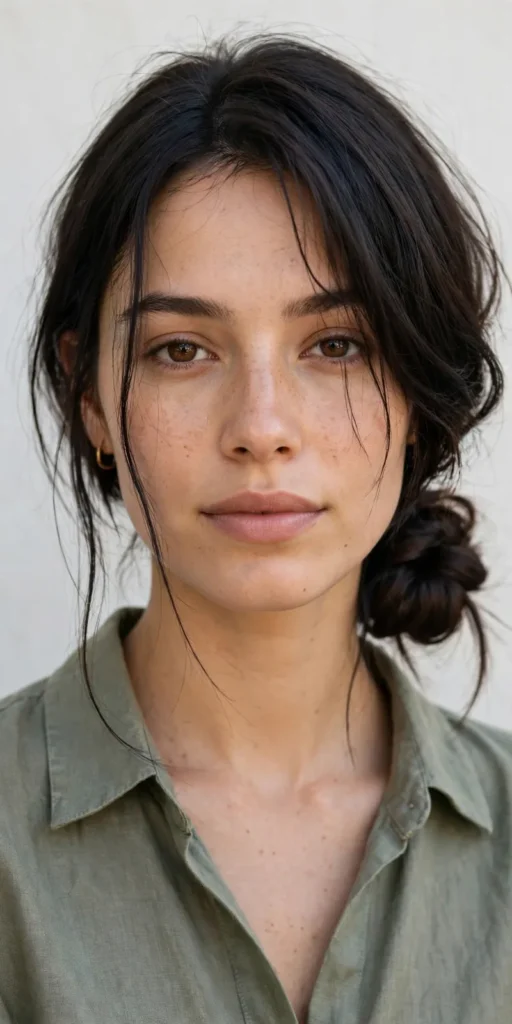
An asymmetrical lob is just long enough to pull into a low bun, and the uneven lengths make the bun more interesting than a standard one. Gather the hair at the nape, twist it into a loose bun, and let the longer side wrap around the base while the shorter side tucks in first — the result is a bun with a soft, slightly off-centre shape. Pull a few pieces loose at the front for softness, and let the longer side’s ends peek out of the bun for texture. This is the version for work days, hot weather and anyone who wants the lob to be practical as well as stylish. It takes about two minutes, and it looks far more polished than a ponytail.
Asymmetrical Lob with Micro Bangs
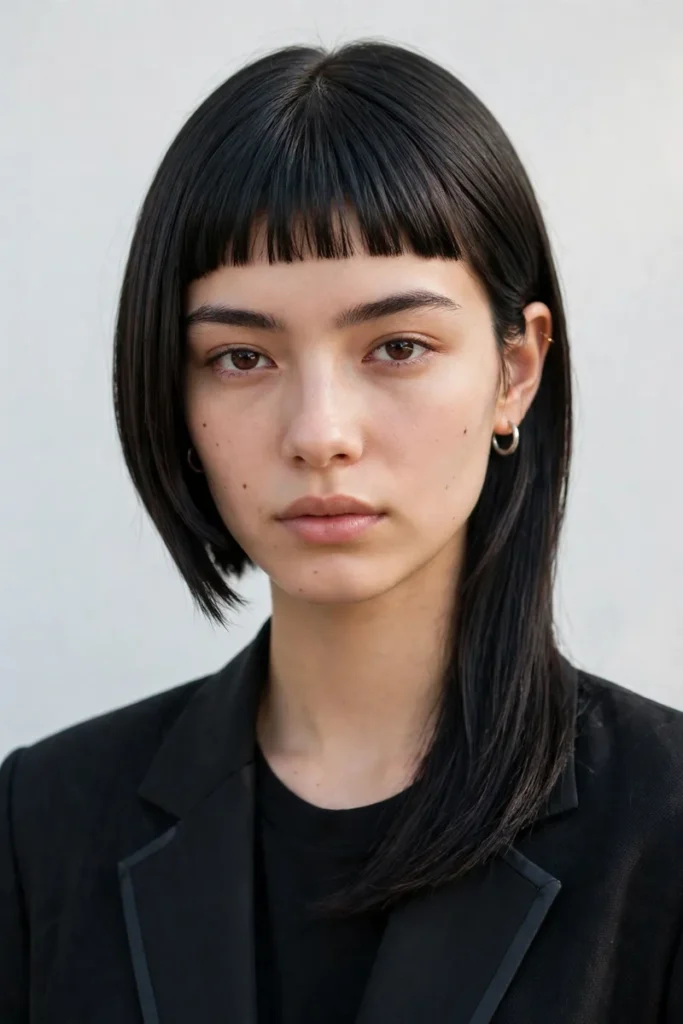
Micro bangs on an asymmetrical lob are the boldest combination on this list, and the most fashion-forward. The bangs are cut short, well above the eyebrows, in a straight line across the forehead, which makes the long diagonal of the lob feel even more dramatic by contrast. This version suits oval and heart-shaped faces best, and it needs confidence — micro bangs are a statement, and they draw every eye to the face. Keep the rest of the cut sleek and smooth so the bangs are the only sharp detail, and trim the bangs every two weeks to hold the line. It is the version for anyone who wants their haircut to be the first thing people notice.
Asymmetrical Lob with a Gloss Finish
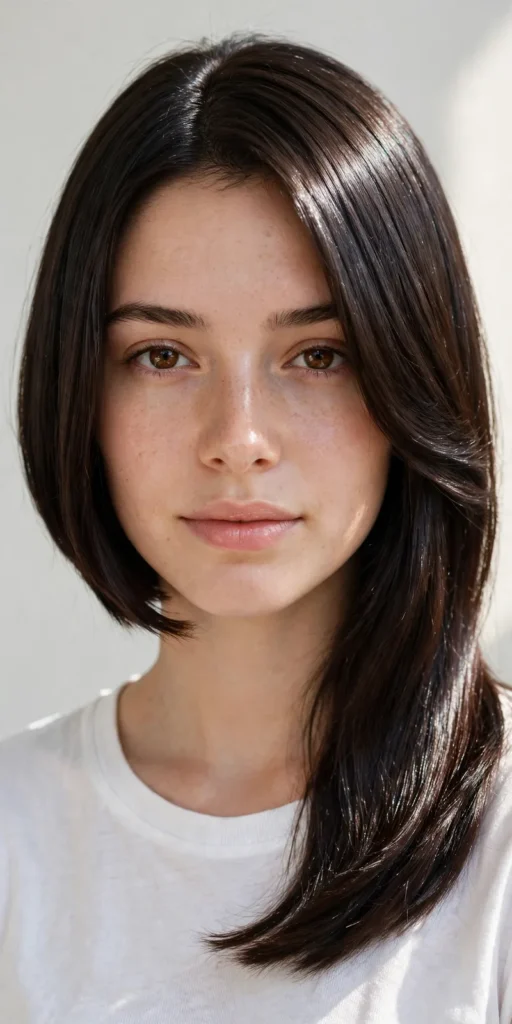
A gloss finish takes an asymmetrical lob from a good haircut to a great one, because shine makes the diagonal line of the cut visible from across the room. The gloss can come from a salon glaze, which adds shine and evens out the tone, or from styling: a shine serum smoothed over the lengths, a flat iron pass to seal the cuticle, and a light mist of shine spray to finish. The effect is hair that looks healthy, expensive and deliberately polished. This version suits dark hair especially well, because the shine is most visible on deep tones, but it works on every colour. Keep the ends trimmed and the hair conditioned, because gloss only shines on healthy hair.
The Grown-Out Asymmetrical Lob
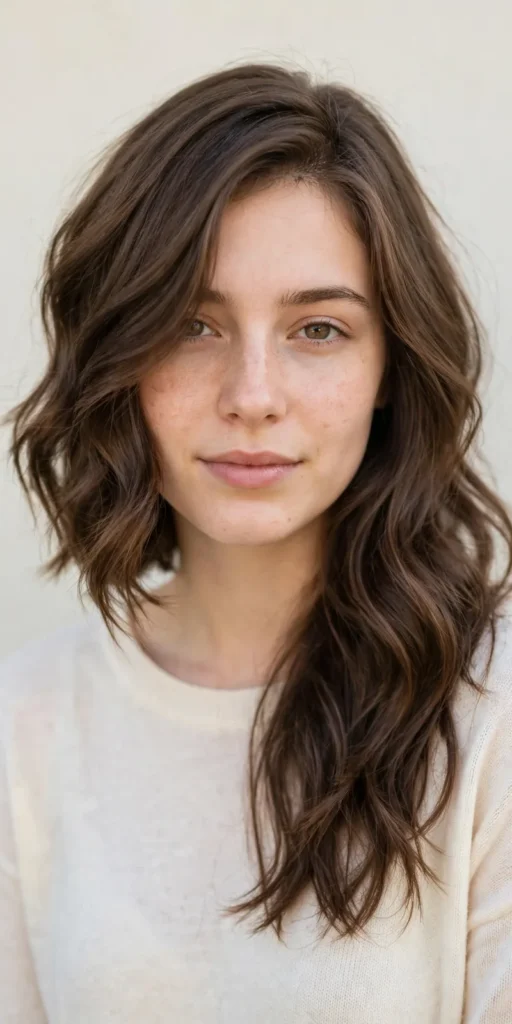
The grown-out asymmetrical lob is what happens when the cut is so good you let it grow — and it might be the best version of all. As the shorter side grows toward the chin and the longer side reaches past the collarbone, the asymmetry softens into a long, sweeping line that still has all the movement of the original cut. The grown-out version is at its best with soft waves, because the waves disguise the uneven ends and show off the length. This is the version for anyone who loves the lob but wants to keep growing their hair: you get the shape and the swing of the asymmetry without committing to regular trims. A dusting of the ends every ten weeks keeps it looking intentional rather than neglected.
How to Style an Asymmetrical Lob at Home
An asymmetrical lob is easier to style at home than it looks, because the cut does most of the work — your job is to enhance the line, not create it. Start with clean, damp hair and a heat protectant, then blow-dry with a round brush, directing the longer side forward over the shoulder and the shorter side back behind the ear, so the asymmetry reads clearly. For a sleek finish, pass a flat iron down each section once, curving the ends slightly under. For waves, wrap large sections around a wand away from the face, then brush them out softly and finish with a texturising spray. The most common mistake is styling both sides the same way: the longer side needs more attention, because it carries the shape, while the shorter side should be kept smooth and tucked. A shine serum on the ends finishes every version, and a silk pillowcase at night keeps the cut smooth until morning.
Asymmetrical Lob vs Classic Bob
An asymmetrical lob and a classic bob share a family resemblance, but they are different cuts with different personalities. A classic bob is level all the way around, usually chin-length, with a neat, even silhouette that looks the same from every angle. An asymmetrical lob is longer — shoulder-grazing or past it — and deliberately uneven, with one side longer than the other, so the silhouette changes as you turn your head. The lob is more versatile: it can be tied up, waved, curled or worn sleek, while a classic bob is harder to put up and shows its shape best when straight. The bob is the safer, more timeless choice; the lob is the bolder, more modern one. If you want a cut that feels classic and polished, choose the bob. If you want a cut with movement, edge and a point of view, choose the asymmetrical lob — and enjoy the fact that no one else in the room will have the same silhouette as you.
Frequently Asked Questions
How long should the two sides of an asymmetrical lob be? There is no single rule, but a good starting point is chin-length on the short side and collarbone-length on the long side — a difference of roughly two to three inches. A smaller difference looks subtle and professional, while a bigger difference looks bold and editorial. Talk to your stylist about how dramatic you want the diagonal to be before they start cutting.
Does an asymmetrical lob suit a round face? Yes, it is one of the best cuts for a round face, because the longer side draws the eye down and creates the illusion of length. Ask for the longer side to fall past the chin and keep the shorter side tucked behind the ear, so the diagonal line slims the face. A deep side part adds to the effect.
Will an asymmetrical lob work on curly hair? Yes, but it must be cut dry, curl by curl, so the stylist can see where each curl falls when dry. Curly hair shrinks as it dries, so a wet cut will lose the asymmetry. Find a stylist experienced with curly hair, and expect the longer side to spring up shorter than it looks when wet.
How often does an asymmetrical lob need trimming? Every six to eight weeks to hold the sharp line, or every ten weeks if you are happy to let it soften into the grown-out version. The shorter side shows growth fastest, so if the asymmetry starts to disappear, it is time for a trim. A dusting of the ends is usually enough between full cuts.
Can I tie up an asymmetrical lob? Yes — that is one of its biggest advantages over a shorter bob. The longer side is long enough for a low ponytail, a low bun or a half-up style, while the shorter side tucks in neatly. Let a few pieces fall loose at the front for softness, and use the uneven lengths to your advantage: the bun will have a natural, slightly off-centre shape that looks more interesting than a perfectly even one.
An asymmetrical lob is proof that a small change in length can change everything about a haircut. One side longer than the other, and suddenly a simple bob has movement, attitude and a silhouette no one else in the room is wearing. Whether you keep it sleek and sharp, soften it with waves, or let it grow into the long, sweeping version, the cut works with your hair instead of against it — and it grows out beautifully, which is more than most statement cuts can say. Pick your favourite from this list, show your stylist the version you love, and enjoy the haircut that turns heads from every angle.